
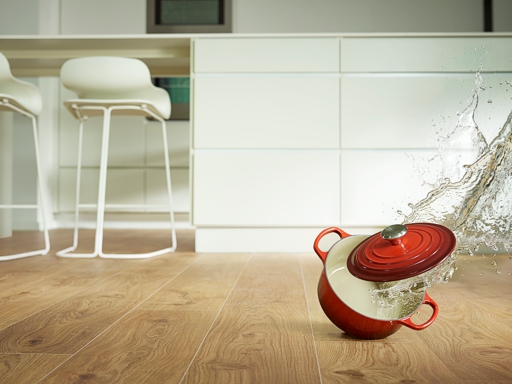
The Modern Professional’s Choice: A Guide to Engineered Wood Flooring
If you love the authentic look of real timber but need a floor that can handle the demands of a modern London home—such as underfloor heating or changing humidity—Engineered Wood Flooring is the industry standard.
At Flooring Trade Ltd, we draw on over 25 years of experience to help you understand why this versatile product has become the go-to choice for both retail customers and trade installers.
What is Engineered Wood Flooring?
Unlike solid wood, which is a single thick plank of timber, engineered wood is a "composite" product. It is constructed in layers to provide maximum stability while maintaining a 100% natural wood surface.
The Anatomy of a Plank:
-
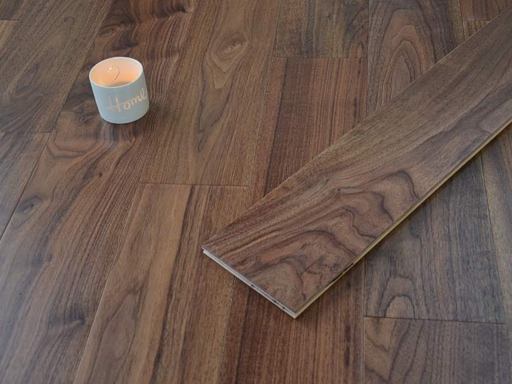
The Wear Layer (Lamella): The top layer is a slice of real hardwood (usually Oak or Walnut). This is what you see and walk on.
-
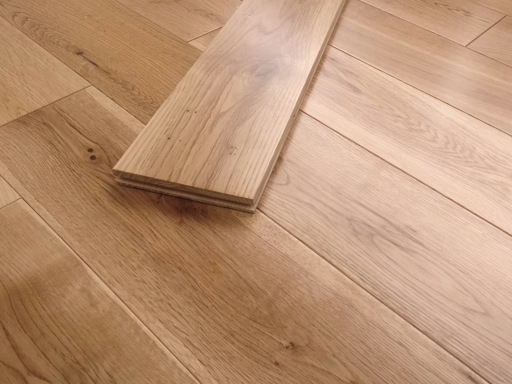
The Core: Beneath the surface are several layers of plywood or HDF (High-Density Fiberboard) glued together in opposite directions.
-
The Backing: A final layer of wood that provides a stable base and prevents the plank from warping.
Why Choose Engineered Wood?
1. Unbeatable Stability
Because the core layers run in different directions, they counteract the natural tendency of wood to expand and contract. This makes engineered wood much more resistant to moisture and temperature changes than solid wood.
2. Compatible with Underfloor Heating (UFH)
This is the biggest advantage for modern renovations. Engineered wood is thin and stable enough to allow heat to pass through efficiently without the wood drying out or cracking.
3. Versatile Installation
While solid wood usually requires a professional "nail-down" or "glue-down" approach, engineered wood offers more flexibility:
-
Floating Floor: Many ranges feature a "Click" system or T&G (Tongue and Groove) that can be laid over an underlay without being fixed to the subfloor.
-
Glue Down: Can be permanently bonded to concrete or wooden subfloors for a solid, quiet feel underfoot.
4. Environmentally Conscious
Engineered flooring uses less of the slow-growing hardwood tree for the surface and faster-growing, sustainable woods for the core, making it a more resource-efficient choice.
Key Specifications to Look For
When browsing the Flooring Trade Ltd catalogue, pay attention to these two metrics:
-
Total Thickness: Usually ranges from 10mm to 20mm. Thicker planks generally feel more "solid" underfoot.
-
Wear Layer Thickness: Usually 2mm to 6mm. A 4mm wear layer can typically be sanded and refinished 2–3 times over its life, giving you decades of use.
|
Feature |
Solid Wood |
Engineered Wood |
|
Material |
100% Single Timber |
Real Wood Top + Ply Core |
|
Underfloor Heating |
Not Recommended |
Highly Recommended |
|
Basements/Kitchens |
Avoid |
Suitable |
|
Installation |
Professional Only |
DIY & Trade Friendly |
Maintenance Tips
To keep your engineered floor looking its best:
-
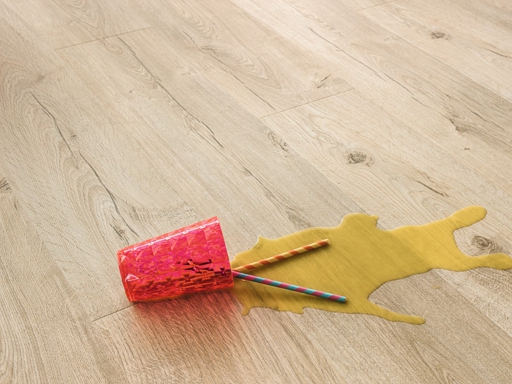
Control Moisture: Use a damp—never soaking wet—mop.
-
Use the Right Accessories: Always use the correct underlay. For trade professionals, we stock high-density acoustic underlays that reduce "click" noise and improve insulation.
-
Protective Pads: Just like solid wood, use felt pads under furniture to protect the real wood wear layer.
Expert Supply from Flooring Trade Ltd
Whether you are looking for a classic Brushed & Oiled Oak or a contemporary Grey Matt Lacquered finish, we provide the technical expertise to ensure your subfloor preparation and product choice are perfect.
As a London-based distributor, we stock all the necessary trade consumables—adhesives, trims, and professional tools—to ensure a flawless finish.