
The Timeless Appeal: A Comprehensive Guide to Solid Wood Flooring
When it comes to home improvement, few investments carry the prestige and longevity of solid wood flooring. At Flooring Trade Ltd, we’ve seen trends come and go, but the demand for genuine, solid timber remains constant.
Whether you are a homeowner in London looking to add value to your property or a trade professional advising a client, this guide covers everything you need to know about this premium flooring choice.
What Exactly is Solid Wood Flooring?
Unlike engineered wood, which is constructed in layers, solid wood flooring is exactly what the name suggests: each plank is made from a single, solid piece of timber, typically 15mm to 22mm thick.
Because it is one consistent piece of wood, it possesses a natural warmth and a unique grain pattern that cannot be perfectly replicated by synthetic alternatives.
Key Benefits of Going Solid
- Lifespan: A well-maintained solid wood floor can last a lifetime—often 100 years or more.
- Refinishing: One of its greatest strengths is that it can be sanded down and refinished multiple times. If the floor becomes scratched or you want to change the color of the stain a decade later, you can.
- Property Value: Real wood is a high-end feature that consistently increases the resale value of a home.
- Structural Integrity: Solid planks add a level of structural strength to the room
Popular Wood Species
The "look" of your floor depends heavily on the species of tree it comes from. At Flooring Trade Ltd, we primarily focus on:
| Species | Characteristics | Best For |
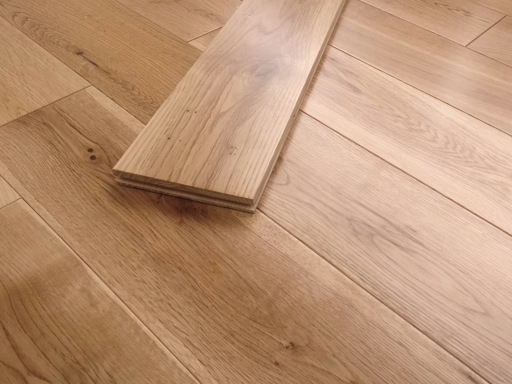
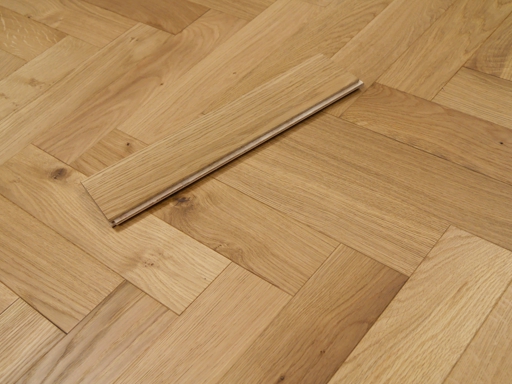
| Oak | Highly durable, prominent grain, takes stains very well. | Traditional & Modern homes alike. |
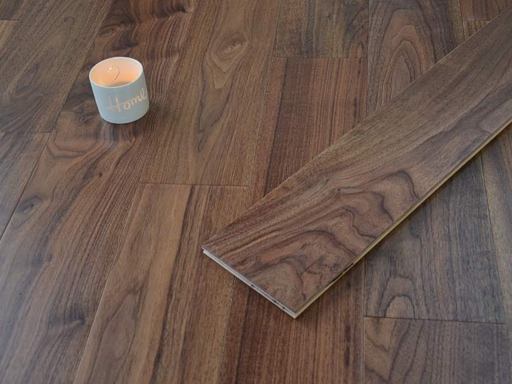
| Walnut | Rich, dark tones with a smooth, elegant finish. | Luxury spaces and "statement" rooms. |
| Pine | Softer wood with a rustic, knotty appearance. | Country-style interiors and period properties. |
Important Considerations Before Installation
While solid wood is beautiful, it is a natural, "living" product, meaning it reacts to its environment.
1. Acclimatisation. Before installation, solid wood planks must sit in the room where they will be laid for at least 7 to 10 days. This allows the wood to adjust to the specific humidity and temperature of your home, preventing warping or "cupping" later on.
2. Environment (Moisture). Solid wood is not recommended for bathrooms or basements. Because it is porous, high levels of moisture or significant temperature fluctuations can cause the wood to expand and contract excessively.
Pro Tip: For kitchens or areas with underfloor heating, we generally recommend Engineered Wood instead, as it offers better stability in those specific conditions.
3. Installation Methods. Solid wood is usually installed using the Tongue and Groove (T&G) system. It must be fixed down to a subfloor—either by secret nailing it to a wooden subfloor or using a high-quality flooring adhesive to bond it to concrete.
Maintenance and Care
To keep your solid wood floor looking pristine:
- Sweep Daily: Prevent grit and dirt from scratching the surface.
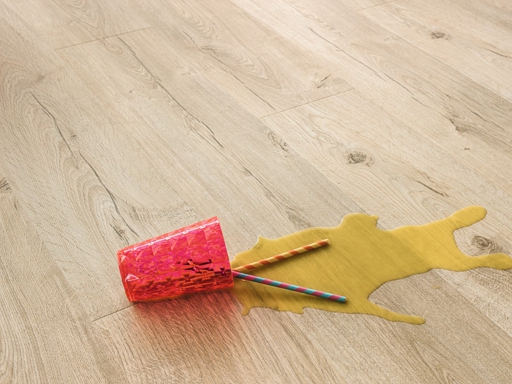
- Use Specific Cleaners: Avoid "wet mopping." Use a damp (not dripping) mop with a pH-neutral wood floor cleaner.
- Furniture Pads: Use felt pads under chair legs and heavy furniture to prevent indentations.
Why Source from Flooring Trade Ltd?
With over 25 years of industry experience, we don't just supply wood; we supply the right wood for your specific project. From the planks themselves to the professional-grade adhesives and oils needed for the perfect finish, we are London’s one-stop shop for the flooring trade.